Home / Travel Guides / Attracting Beijing
Attracting Beijing
By admin | October 14, 2026
People are often drawn to the great capitals of the world, and Beijing exerts a powerful pull of its own. From Tiananmen Square to Jingshan Park, from the Forbidden City to the hutong lanes, the city places imperial grandeur and everyday street life along a single historic central axis. Watch locals stroll with their songbirds along the moat at dawn, duck into a café near the Imperial College at noon, and climb the Arrow Tower at dusk to watch the sun sink behind the rooftops.
Trips here extend easily to the Mutianyu Great Wall and Gubei Water Town, and Beijing works beautifully as the first stop for first-time visitors to China. But timing makes all the difference, and the capital’s weather is a crucial consideration when planning your trip. If you’re wondering about the best time to visit Beijing, take a read through this introductory guide…
Beijing seasons at a glance
The climate in Beijing follows a reasonably predictable four-season cycle. Summers are hot and humid with dramatic afternoon thunderstorms. Autumn days are famously clear, crisp and bright. Winter brings cold, dry weather with the occasional snowfall, then spring warms and reawakens the city – though it can also whip up the odd sandstorm.
In simple terms, autumn is Beijing’s golden season, with spring a close second, but there are some nuances. Here we look in more depth at the capital’s weather and other seasonal factors that could impact your decision on when to travel.

Spring (March–May): blossoms, breezes and the Great Wall
Spring is one of the loveliest times to be in Beijing. Temperatures climb from cool March days (around 10–15°C) to warm May afternoons (25°C and above), the parks erupt in blossom – cherries at Yuyuantan, magnolias beside the Summer Palace – and the skies are often at their clearest. It’s an excellent season for walking the hutong, cycling past the drum towers, and making the first trips of the year to the Great Wall.
The only real downside is wind: March and early April can be blustery, with the occasional sandstorm rolling in from the north. Pack layers, as mornings and evenings remain chilly while midday warms up quickly.
Festivals worth timing your trip around:
- Qingming Festival (early April) – Families honor their ancestors and head outdoors for tomb-sweeping day outings, kite flying and picnics. Parks are at their greenest and the city feels freshly awake.
- Labor Day Golden Week (May 1–5) – Warm early-summer weather draws huge domestic crowds to major sights. Beautiful, but book tickets and hotels well in advance – or travel just after the holiday ends.
Summer (June–August): hot, green and lively
Summer in Beijing is hot and humid, with July and August bringing most of the year’s rain, often in dramatic late-afternoon thunderstorms that clear as quickly as they arrive. Daytime highs regularly pass 30–35°C, and the humidity can be intense.
But summer has its rewards: the city is at its greenest, the liquiscent evening light on the Summer Palace lake is glorious, and the night markets and street-food alleys (ghost street Gui Jie among them) are at their liveliest. Sightsee early, rest through the midday heat, and head out again at dusk.
Summer highlights:
- Dragon Boat Festival (June) – Races on the city’s lakes and rivers, zongzi sticky-rice dumplings everywhere, and a festive, holiday atmosphere across the old quarters.
- Summer music and beer festivals (July–August) – From Chaoyang Park gigs to the Great Wall outdoor concerts, there’s far more on than most visitors expect.
Autumn (September–November): clear skies and golden ginkgos
Autumn is widely considered the best time to visit Beijing. September brings blue skies and comfortable temperatures; by late October the ginkgo trees lining the city’s avenues and temple courtyards turn brilliant gold, and the red-leaf hills of the Fragrant Hills reach their fiery peak. Air quality tends to be at its best, and the low sun gives photographers long, golden evenings.
It’s also the prime season for hiking the Great Wall – crisp air, long views and pleasant walking temperatures. Weekends are busy everywhere, so favor weekdays where you can.
Festivals worth timing your trip around:
- Mid-Autumn Festival (September/October) – Mooncakes, lanterns and family gatherings; the illuminated courtyards and lakeside pavilions are magical after dark.
- National Day Golden Week (October 1–7) – China’s biggest travel rush. Glorious weather but enormous crowds at every major sight – avoid these dates if you can, or plan very carefully.

Winter (December–February): cold, quiet and underrated
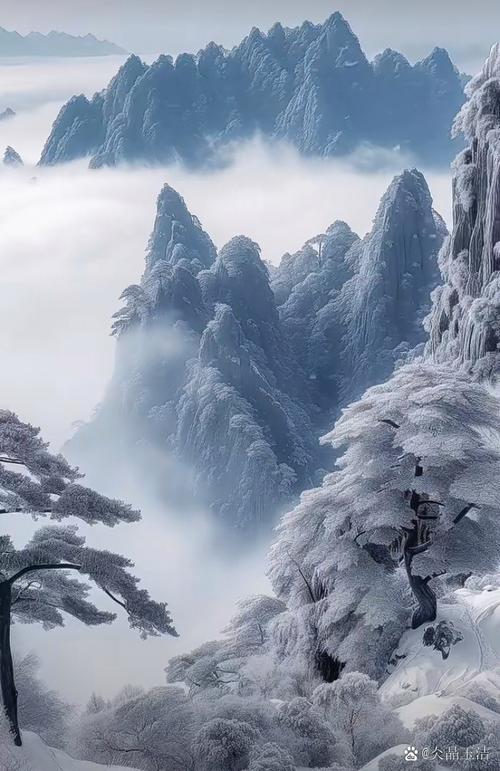
Winter in Beijing is cold and dry, with temperatures regularly dipping below freezing and the occasional dusting of snow turning the imperial rooftops into a monochrome photograph waiting to happen. The upside? Far fewer crowds, noticeably lower hotel prices, and famously clear, dramatic light.
Embrace the season: skate on the frozen lake at Houhai, warm up with a bubbling Mongolian hotpot, and catch the temple fairs that spring up around Chinese New Year. Just pack seriously warm layers – the wind chill on the Great Wall is no joke.
Winter highlights:
- Chinese New Year temple fairs (January/February) – Dragon dances, lanterns, snacks and handicrafts at Ditan Park and across the old city; the most atmospheric time of year to see traditions up close.
- Ice and snow (December–February) – Skating and sledding on Houhai’s frozen lake, plus easy day trips to ski fields on the city’s northern edge.

Read more: The hidden gems of China
The best time to visit Beijing by trip type
- The best time for sightseeing: Autumn (September–November) has the most reliable weather, clear skies and comfortable temperatures – ideal for the Forbidden City, the Temple of Heaven and long walks along the hutong.
- The best time for hiking the Great Wall: Late spring (May) and autumn (September–October) offer the best footing and views. Winter hikes are possible and wonderfully quiet, but bring serious layers.
- The best time for festivals and culture: Spring and autumn deliver the biggest calendar of events, while Chinese New Year (January/February) brings temple fairs and an unforgettable festive atmosphere.
- The best time for budget travel: Winter (December–February, outside the New Year holiday) sees the lowest hotel rates and the thinnest crowds.
- The best time for photography: Late October for golden ginkgo avenues, November for red leaves, and crisp winter days for that famous imperial silhouette against a deep blue sky.
Make it happen
Our local experts can build a Beijing itinerary around whatever the season throws at you – from blossom-season garden walks and summer street-food crawls to snow-dusted hutong mornings. Tell us when you want to travel and what you love doing, and we’ll take care of the rest.
Tagged with
BeijingNorth ChinaCity Guide
Share this article
Sign up to our newsletter
Join our mailing list for travel inspiration, trip recommendations, and insights from our local experts.